Famous Owl Personalities
These 77 celebrities share the defining traits of the Owl personality type.

Isaac Newton
Solitary genius who observed, calculated, and quietly revolutionized everything.
Newton embodied the owl's defining traits: deep intellectual introspection, preference for solitude, and a penetrating analytical mind that saw patterns others missed. He famously worked in near-total isolation during the plague years at Woolsthorpe, producing breakthroughs in calculus, optics, and gravity in that single period. Like the owl, Newton was methodical, intensely private, and notoriously difficult in social relationships, caring far more for truth and knowledge than for popularity or recognition.
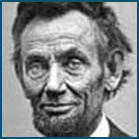
Abraham Lincoln
Wise, deliberate thinker who saw through darkness with quiet depth
Abraham Lincoln embodied the Owl's trademark wisdom and measured judgment, famously surrounding himself with a 'Team of Rivals' — appointing former opponents to his Cabinet rather than acting on ego or impulse. His slow, methodical approach to emancipation and his hauntingly reflective Gettysburg Address revealed a mind that processed deeply before speaking, crafting just 272 words that redefined a nation. Like the Owl, Lincoln was a solitary, introspective figure known for his melancholy, night-owl reading habits, and an almost eerie ability to see long-term consequences that others missed entirely.
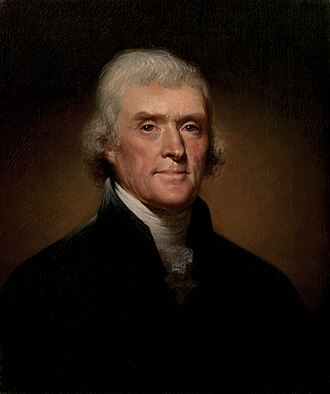
Thomas Jefferson
Visionary intellectual who built a nation from pure reason
Jefferson embodied the owl's defining traits: vast intellectual curiosity, philosophical depth, and a preference for solitary study over the spotlight, spending countless hours at Monticello designing, writing, and theorizing. He authored the Declaration of Independence, founded the University of Virginia, and amassed one of America's largest private libraries, reflecting the owl's insatiable thirst for knowledge. Yet like the owl, he was also enigmatic and contradictory — a man who wrote of liberty while owning slaves, operating with a complex inner life that few could fully penetrate.
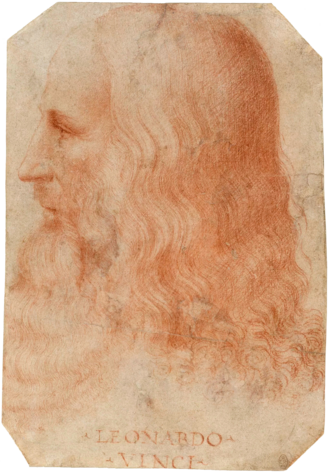
Leonardo Da Vinci
The ultimate Renaissance mind: curious, solitary, and endlessly wise.
Leonardo da Vinci's insatiable intellectual curiosity, polymathic mastery of art, science, anatomy, and engineering, and deeply introspective nature make him a quintessential owl. He worked largely alone, filling thousands of pages of private notebooks with observations few contemporaries could comprehend, reflecting the owl's hallmark of quiet, profound knowledge. His ability to see patterns invisible to others — from the flow of water to the structure of the human body — embodies the owl's penetrating, far-sighted vision.
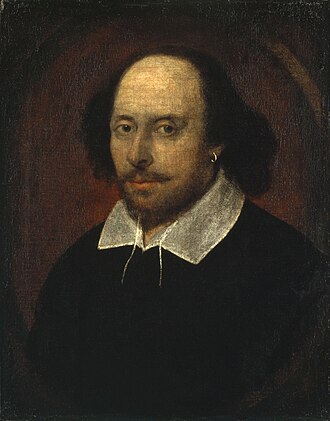
William Shakespeare
The timeless sage who illuminated the depths of human nature.
Shakespeare's extraordinary intellectual depth, philosophical insight, and mastery of language align perfectly with the owl's reputation for wisdom and keen observation. Like the owl, he operated largely in the shadows of history — little known personally, yet seeing everything about the human condition with piercing clarity. His ability to craft complex, morally layered characters across 37 plays reflects the owl's archetype of the thoughtful, introspective analyst who understands the world far more than the world understands him.
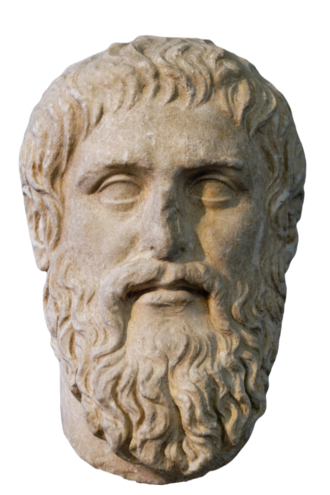
Plato
Ancient philosopher whose wisdom and depth defined Western thought.
Plato, the ancient Greek philosopher and student of Socrates, embodied the owl's defining traits: profound intellectual depth, contemplative nature, and a visionary perspective that saw beyond surface reality. His creation of the Academy, his theory of Forms, and works like The Republic reflect the owl's characteristic pursuit of hidden truths and abstract understanding. Like the owl, Plato operated in the realm of ideas and shadows, famously illustrated by his Allegory of the Cave, seeking the deeper light of knowledge beyond mere appearances.
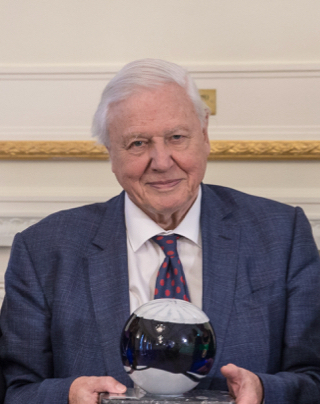
David Attenborough
A solitary sage who reveals nature's secrets with quiet authority.
David Attenborough embodies the owl's defining traits: profound, patient, deeply analytical wisdom accumulated over decades of meticulous scientific observation, delivered with a calm, measured gravitas rather than performative warmth. His career — spending years in remote wildernesses, studying ecosystems with extraordinary attention to detail, and communicating complex natural truths with understated authority — is the very picture of solitary, nocturnal intelligence. Unlike a fox or prairie-dog, he does not rely on charm or wit to engage audiences; it is the weight and depth of his knowledge, communicated in near-reverential stillness, that commands universal respect.