

A 10-minute icebreaker
Take the quiz, find one sentence that fits, and share one real example with a partner. Finish by naming a strength you appreciate in somebody else. Sharing is optional.

Ten questions. Fifty animal personalities. A class full of opinions.
Give your students a different way to talk about their strengths, compare compatibilities and discover what makes a good team. Expect a few “that is SO you” moments—and some lively disagreement.

Some students will recognise themselves immediately. Others will insist the quiz got them completely wrong. Both make a good starting point. Animal In You is a free, ten-question quiz drawn from the books and their theory of animal personalities. Use the results to get students giving examples, listening to one another and asking questions.
Try it as a class icebreaker, a tutor-time activity or a club session. Adult groups can join in, too. Students will practise how to:
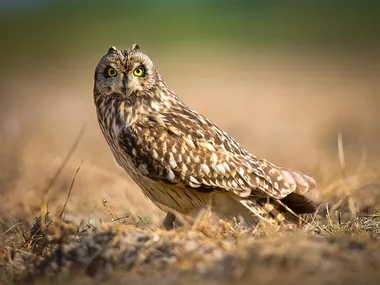
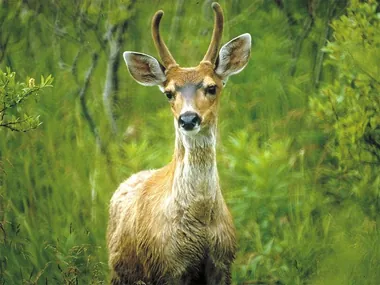
Here are six of the 50 possibilities. Click an animal to read its profile. Nobody has to accept the label—the interesting bit is explaining why it fits, or why it doesn’t.
No presentation to build. No account to set up. Keep the plan on your screen and use the questions below to get the discussion going.
Before opening the quiz, invite everyone to pick an animal that might describe their own approach to a group task. Ask for one reason. There is no correct answer.
Give participants time to answer the ten questions, then read their animal profile. The result is free. Ask them to find one sentence that fits and one that does not. The second choice is just as useful as the first.
Take the free ten-question quizUse the worksheet or plain paper. Participants note one strength, an example of using it, and a situation where a different approach might work better. Keep the notes private unless they choose to share.
Students can compare their animal compatibilities with a partner using the Animal In You Matchmaker. Choose two animals, look at the friendship result and discuss what sounds right—and what does not. Use fictional pairs or chosen profiles if anyone prefers to keep their own result private.
Then choose three animals for an imaginary team planning a school event or making a short film. Who would contribute what? Where might they clash? How could they make it work? For class, keep the comparison about friendship and teamwork. The scores are a conversation starter, not a verdict on who should be friends.
Finish with a short discussion or private exit note. A profile can start a conversation; a person is always more complicated than a paragraph.


Students can compare compatibilities between any two animal types. Would a Wolf and a Dolphin see eye to eye? What about two Lions? Ask them to predict the friendship result before they check.
Then comes the better question: do you agree? Have students explain one thing that could help the pair work together. A surprise result is a good excuse to think again, not a reason to rule anyone out.
Compare two animal personalities →Teacher tip: preview the Matchmaker first. It also includes relationship content; use the friendship comparison for this activity.
This plan is intended for participants aged 13 and over, including adult groups. It is a discussion resource, not a validated educational or psychological assessment.
Take the ten questions before your students do. Then see whether they agree with your animal. (They will probably have an opinion.)